
How Spirituality Can Benefit Your Health and Well-Being?
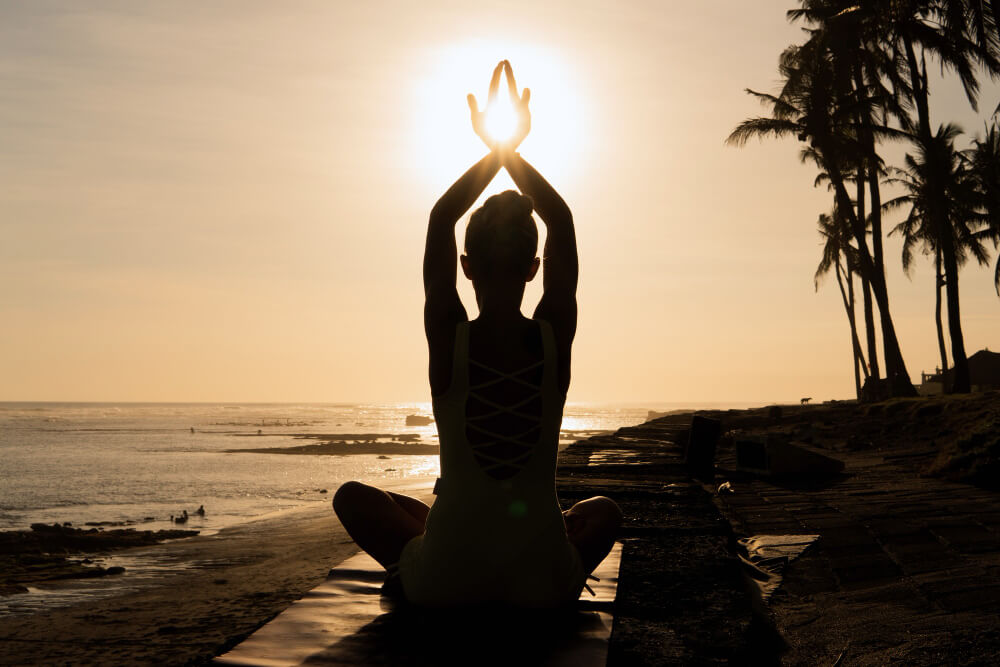
There are high points and low points, happy times, and sad times, in life. When faced with adversity, we typically search within or seek outlets external to ourselves to help us cope with the barrage of unpleasant feelings and thoughts. However, there is mounting evidence that faith can help our well-being while we are going through tough times. It is possible that some people will equate spirituality and religion. However, they are different ideas that may or may not connect with one another. Religion is a set of beliefs, rituals, and practices centered on praising a higher power. Spirituality emphasizes a person’s connection to other beings, nature, and a force greater than themselves as central to the human experience. Spirituality is a vital element of everyone’s existence, but it breaks categorization because it is not limited to a particular religion or set of principles. A sense of purpose, motivation, and belonging can only be found through a strong connection to something larger than oneself. Spirituality is extremely personal and can take many different forms, yet it always has a positive impact on one’s health and happiness. Even in the recent years, there are scientific researches proving spirituality is beneficial for both physical and mental health. Understanding Spirituality Basically, spirituality is a search for true meaning and purpose in life. This type of meditation involves exploring fundamental mysteries of existence. As a result, many people turn to religion, meditation, gratitude, or other activities in search of a higher spiritual meaning in life. Spirituality can be broadly defined as the search for purpose, meaning, and connection to the universe or a higher power. It is a deeply personal journey that may or may not be tied to religious beliefs. People may find spirituality through religion, nature, art, meditation, or even in relationships and acts of kindness. At its core, spirituality is about exploring the fundamental questions of existence and seeking inner peace and fulfilment. Signs of Spirituality Recognizing one’s spirituality can be an introspective process. Here are some common signs that may indicate a spiritual awakening: Seeking Purpose: A strong desire to find meaning and purpose in life beyond materialistic pursuits. Inner Peace: A sense of inner calm and serenity, even in the face of adversity. Connection to Nature: Feeling a deep connection to the natural world and finding solace in its beauty. Empathy and Compassion: A heightened sense of empathy and a desire to help others. Mindfulness: Practicing mindfulness and being fully present in the moment. Gratitude: Regularly expressing gratitude for life’s blessings. Self-Reflection: Engaging in self-reflection and introspection to understand one’s values and beliefs. The Mind-Body Connection Over the past few years, scientists have paid a great deal of attention to the correlation between spirituality and physical well-being. The benefits to one’s mental and physical health of cultivating one’s spiritual side have been consistently shown in scientific studies. Benefits of Spirituality Here’s a closer look at how spirituality can benefit you: Stress Reduction One of the most well-documented benefits of spirituality is its ability to reduce stress. Spiritual practices such as meditation, prayer, and mindfulness can promote relaxation, lower cortisol levels (the stress hormone), and improve overall emotional well-being. By fostering a sense of inner peace and tranquility, spirituality equips individuals with valuable tools to cope with life’s challenges. Enhanced Emotional Resilience Spirituality can enhance emotional resilience, helping individuals better navigate difficult situations and bounce back from adversity. A strong spiritual foundation often provides a sense of purpose and meaning in life, which can serve as a buffer against depression and anxiety. When faced with hardships, spiritually inclined individuals tend to exhibit greater emotional strength and a more positive outlook. Improved Mental Health Numerous studies have linked spirituality to improved mental health. Engaging in spiritual practices can lead to increased happiness, decreased symptoms of depression, and a greater sense of life satisfaction. Moreover, spirituality can provide a support system through religious or spiritual communities, offering a sense of belonging and connection that is crucial for mental well-being. Coping with Chronic Illness Spirituality can be a source of strength for those dealing with chronic illnesses. It provides a framework for understanding suffering and illness as part of a larger plan. This perspective can help individuals cope with pain and discomfort, reduce feelings of hopelessness, and improve their overall quality of life. Boosted Immune Function Believe it or not, spirituality may have a positive impact on your physical health as well. Studies suggest that engaging in spiritual practices can boost the immune system. The mind-body connection, often cultivated through spiritual practices, can enhance the body’s ability to fight off illnesses and promote healing. Increased Longevity Some research indicates that individuals with strong spiritual beliefs may live longer. The sense of purpose and hope that spirituality provides can contribute to a longer, healthier life. Moreover, spiritual practices often promote healthier lifestyle choices, such as avoiding substance abuse and adopting a more balanced diet, which can further extend one’s lifespan. Better Pain Management Spirituality can help individuals manage physical pain more effectively. Meditation and prayer techniques often reduce the perception of pain and improve pain tolerance. This can be especially beneficial for those with chronic pain conditions, as it provides a natural and holistic approach to pain management. Strengthened Relationships Spirituality often encourages forgiveness, compassion, and empathy, which are essential elements for building and maintaining healthy relationships. By practicing these values, individuals can foster deeper connections with others, leading to more satisfying and fulfilling social lives. Sense of Community Many spiritual individuals find a sense of community and support within religious or spiritual groups. These communities can provide a strong social network, emotional support, and a sense of belonging. Being part of a community with shared values and beliefs can significantly enhance one’s overall well-being. Personal Growth and Self-Discovery Spirituality is a journey of self-discovery and personal growth. It encourages individuals to explore their inner selves, confront their fears and weaknesses, and develop a greater understanding of their purpose in life. This process
Lama Fera – Benefits & Healing Technique
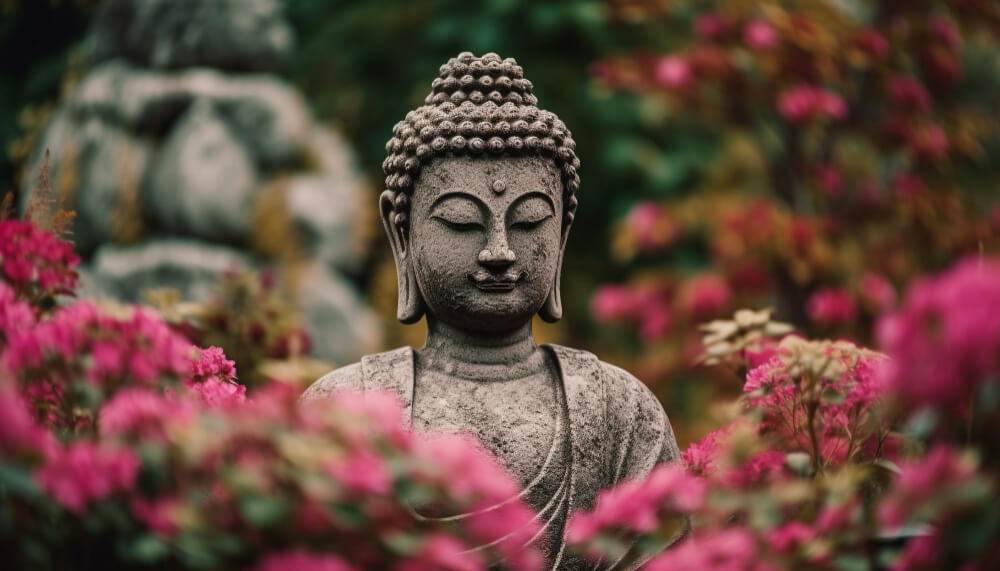
When it comes to spiritual and holistic health, Lama Fera is in a class all its own. Ancient Tibetan and Buddhist teachings provide the foundation for Lama Fera’s comprehensive method of mending mental, emotional, and spiritual discord. In this article, we will explore the fascinating world of Lama Fera, learning about its history, benefits, and the life-altering healing it offers to those who adopt it. What is Lama Fera? Lama Fera is a powerful and ancient healing technique that originates from Tibetan Buddhism and holds deep spiritual significance. The term “Lama” refers to a spiritual teacher or guru, while “Fera” means “rounds” or “circuits.” In Lama Fera, practitioners channel divine energy, often represented by sacred symbols and mantras, to facilitate healing on physical, emotional, and spiritual levels. The practice of Lama Fera involves using specific symbols and yantras (geometric shapes) to connect with divine energy, as well as chanting sacred mantras that resonate with the body’s energy centers. Practitioners direct this healing energy through their hands, allowing it to flow through the recipient’s energy channels or meridians. This process aims to harmonize and balance the recipient’s energy field, bringing about various benefits. Lama Fera is known for its ability to alleviate physical pain, accelerate the healing of ailments, and boost the immune system. It also addresses emotional imbalances, reducing stress, anxiety, and depression while promoting emotional stability. It is also very important for mental growth, balancing chakras, healing karma, and protecting and cleaning living spaces. Lama Fera takes a whole-person approach to well-being, which makes it a useful tool for people who want to fix their bodies, feel better emotionally, and grow spiritually. Origins of Lama Fera Lama Fera has its origins in the ancient monasteries of Tibet, where Buddhist monks and spiritual masters developed this profound healing technique. These monks would pass down their knowledge to select disciples, maintaining its exclusivity within the spiritual community. Over time, Lama Fera spread beyond the confines of Tibet and reached the Indian subcontinent. It was embraced by those seeking spiritual and holistic healing, leading to its popularity in India and other countries. The Practice of Lama Fera Lama Fera involves the use of various sacred instruments, symbols, and mantras to invoke healing energy. Here is a brief overview of the key elements of Lama Fera practice: Symbols Lama Fera practitioners use specific symbols and yantras (geometric shapes) to connect with divine energy. These symbols are believed to hold immense spiritual power and are drawn or visualized during the healing process. Mantras The chanting of sacred mantras is an integral part of Lama Fera. These mantras carry vibrational frequencies that resonate with the energy centers in the body, facilitating healing and balance. Energy Channels Practitioners channel divine energy through their hands and direct it towards the recipient’s body. This energy flows through specific energy channels or meridians, aligning and harmonizing the recipient’s energy field. The Many Benefits of Lama Fera Physical Healing Lama Fera is known to have a significant impact on physical health. It can reduce discomfort, hasten recovery, and strengthen defenses. Chronic pain has been reduced for many, and overall health has increased. Emotional Healing This technique also addresses emotional imbalances. Lama Fera helps release negative emotions, reduces stress, anxiety, and depression, and promotes emotional stability and clarity. Spiritual Growth Lama Fera is an effective way of meditation and personal development. It may enhance one’s ability for happiness and wisdom by helping them become more self-aware. Chakra Balancing Lama Fera aligns and balances the chakras, the energy centers within the body. This results in improved vitality, heightened intuition, and increased spiritual awareness. Karmic Healing It is believed that Lama Fera can help individuals release karmic imprints and negative patterns from past lives, allowing for a fresh start and a more positive future. Protection and Cleansing Lama Fera can be used to cleanse and protect living spaces, removing negative energies and promoting positivity and harmony. The Lama Fera Healing Process Lama Fera sessions typically involve a practitioner and a recipient. Here is an overview of what happens during a Lama Fera healing session: Preparation The practitioner prepares themselves and the space for the healing session, creating a sacred and serene environment. Invocation The practitioner invokes the divine energy and connects with the symbols and mantras associated with Lama Fera. Healing The practitioner uses their hands to channel healing energy, moving them over the recipient’s body. To address the recipient’s specific needs and imbalances, practitioners use specific symbols and mantras. Release and Balance Lama Fera helps release negative energy and blockages, bringing the recipient’s energy field into balance and alignment. Closing The session concludes with gratitude and blessings, sealing the healing process. Lama Fera and Your Spiritual Journey You can benefit spiritually from Lama Fera whether you are on a quest for self-knowledge, healing from physical problems, or finding emotional equilibrium. It provides a holistic method of healing by combining traditional practices with cutting-edge science. Summing Up The Tibetan Buddhist healing practice of Lama Fera is a potent and profound method for addressing all kinds of imbalances in one’s life, including the physical, emotional, and spiritual. With its roots in ancient monasteries and a long tradition of spiritual practice, Lama Fera has become more popular as a technique for facilitating wellness, equilibrium, and metamorphosis. Whether you’re on a quest for spiritual enlightenment or just want to feel better physically or emotionally, Lama Fera may be able to help. Embrace the mystical world of Lama Fera, and unlock the secrets of this ancient and transformative healing practice.
Benefits of Humkara with Haleem
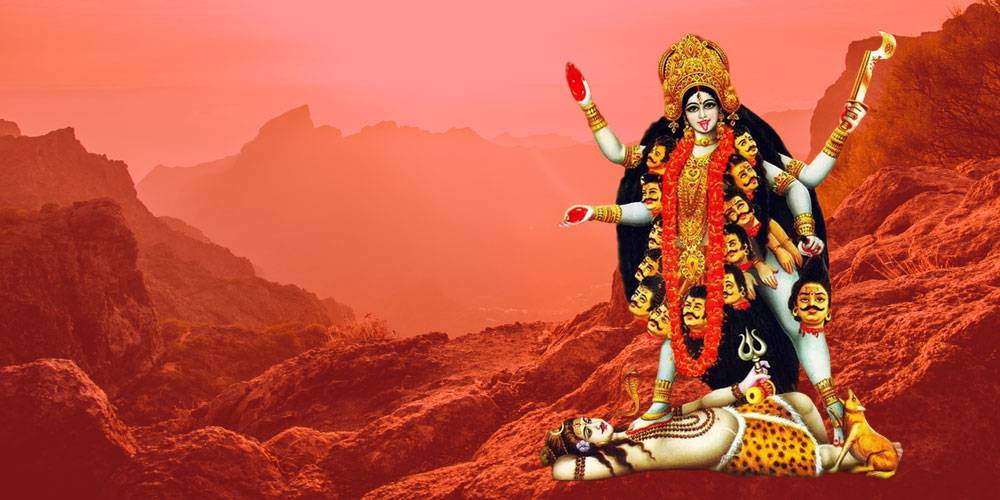
As humans, we constantly look for best ways to improve our health on all levels, including mental, emotional, and spiritual. Recent years have seen a boost in interest in techniques like “Humkara with Haleem.” The age-old practice of Humkara is combined with the ideas of holistic wellness to provide a novel method to fostering health and energy. In this post, we will talk about how you can incorporate Humkara into your health and wellness regimen and explore its many advantages. Understanding Humkara The ancient yogic practice of Humkara involves chanting the sound “Hum” in a repetitive pattern. This sacred vibration is believed to connect with the universal energy, promoting a deep sense of inner peace and spiritual connection. Practicing Humkara can help calm the mind, reduce stress, and enhance one’s overall sense of well-being. Humkara with Haleem is a perfect balance of— This powerful combination channelizes healing energies and helps in transforming different aspects of our body, such as— Benefits: The Healing Power of Humkara with Haleem Humkara is based on the belief that one can use the therapeutic and balancing power of sound vibrations to make a positive change in one’s life. Some of the most significant benefits that come from incorporating Humkara in your regular practice are as follows— Stress Reduction The practice is designed to induce deep relaxation and reduce stress levels, which can have a positive impact on both physical and mental health. Energy Balance Humkara with Haleem aims to balance the flow of energy (prana or chi) within the body, addressing energy blockages and restoring harmony to the energy centers (chakras) and meridians. Emotional Healing By working with energy channels and symbols, this technique can help release pent-up emotions, trauma, and negative thought patterns, leading to emotional healing and a greater sense of emotional well-being. Physical Comfort Some individuals report relief from physical discomfort and pain after receiving Humkara with Haleem healing sessions. It may help with issues such as muscle tension, headaches, and chronic pain. Enhanced Vitality Practitioners often experience increased vitality, improved energy levels, and a sense of rejuvenation after undergoing this healing modality. Mental Clarity Clearing energy blockages in the body can lead to improved mental clarity, focus, and a heightened sense of awareness. Holistic Approach This approach considers every aspect of a person’s health and wellbeing, including the emotional, mental, and spiritual elements. Self-Discovery Humkara with Haleem can help one become more in love with their inner self and develop an appreciation for who they are. Emotional Resilience Regular practice may help individuals become more emotionally resilient and better equipped to handle life’s challenges and stresses. Spiritual Growth For some, this practice can be a spiritual journey, helping individuals connect with their inner spirituality and explore higher states of consciousness. Energetic Protection The symbols and techniques involved may offer energetic protection against negative influences and help maintain a positive energy field. Release of Blockages By creating a vortex of vital energy, Humkara with Haleem is said to help release and clear energy blockages, knots, and obstacles in the energy body, promoting a sense of flow and well-being. Improved Sleep Quality Humkara has been known to help individuals struggling with sleep disorders. By calming the mind and reducing stress, it can promote better sleep quality and overall restfulness. The Magic of Symbols The Humkara with Haleem healing symbols hold a profound and transformative power that transcends mere visual representations. These symbols, rooted in various wisdom traditions, carry with them the essence of peace, love, and tranquillity. When we connect with these symbols, we tap into a universal resonance that aligns the very molecules of our being with these principles, making us carriers of their potent energy. These symbols, drawn from diverse sources, honor the highest manifestations of existence. They are beacons that help us find our way through life and provide comfort when we are hurting. The symbolic meanings they carry are beautiful because they go beyond language. They send forth waves of energy that surround us and help heal certain mental, emotional, and physical problems. When words fail, these symbols bridge the gap, providing support and understanding that dwells in the deepest corners of our psyche. In the realm of Humkara with Haleem, we invoke the presence of two out of the ten divine forms of Adi Parashakti: Maa Kali and Maa Bagalamukhi. Maa Kali, also known as Kalika or Shyama, embodies the primal force of destruction and the ultimate power of Shakti. She is the fierce protector, the mother of the Universe, and the embodiment of Adi Parashakti. Worshiped by devotional movements and Tantric sects, Kali symbolizes the divine mother who bestows liberation, or moksha. She is the feminine counterpart of Kala, an epithet of Lord Shiva, and his devoted consort. Kali’s presence is felt throughout Hindu mythology and is closely intertwined with Shiva in various Puranas. Maa Bagalamukhi, often referred to as Pitambari Maa in North India, dispels illusions and misconceptions that cloud the minds of her devotees. As the eighth in the hierarchy of the Dasa Mahavidyas, Bagalamukhi represents a pinnacle of spiritual practice. Her Vidhya, or divine knowledge, holds immense power for those who seek her blessings. She is the force that silences the storms of delusion and paves the way for clarity and truth. In the world of Humkara with Haleem, these divine beings and their symbols converge, offering seekers a path to inner transformation, healing, and enlightenment. It is through their grace and the resonance of their symbols that we embark on a journey of self-discovery and spiritual growth, guided by the enduring wisdom of the ages. Summing Up When it comes to healing, Humkara with Haleem is one of a kind and easily accessible. Individuals can gain significant psychological, physiological, and spiritual benefits by working with sound and vibration. Humkara stands out as a simple yet effective instrument for gaining balance and vitality in an increasingly hectic society, as we continue exploring different options to improve our physical and mental well-being. Make this part
Spiritual Desire & Desiring Gods Will
Understanding desire is one of the most important aspects of spiritual development and its often one of the most confusing aspects of spiritual development.We are often told that desire is undesirable for spiritual development and that we should not have any desire.However, desiring not to have desire is itself still a desire. So even not-desiring to have desire is a form of desiring, which can be rather confusing.So understanding desire is not as simple as choosing not to express a desire or resisting desire. It’s a little more complex than that. Desire Motivates You to Survive So first of all, let’s look at the normal and natural function desire plays in our human life. When I feel hungry, there isn’t a powerful energy of desire within me to eat food. However, my brain and body do still create a desire within me to influence me to obtain food for myself. If I were hungry, starving, and there was a shortage of food, then my body will create a powerful energy of desire to compel me to find food, and it will sharpen my mind, brain, and senses to help me obtain that food. This is a natural and normal desire that is created to ensure we obtain what is required for our body to survive. We have a natural human desire that drives us to obtain what our body needs for our survival and that desire will always drive us. However, we also have desires that influence our behaviour so that we move in a certain direction in life. So desire can also be a form of guidance. For example, you had a desire to watch this video, which influenced and motivated you to watch it. Desire will ensure your human body receives what it needs, and it will ensure you are motivated to move in a certain direction in life. So there is nothing wrong with desire, from that perspective. And those desires can be mild and relatively unnoticeable, or they can be very intense and self-consuming. We do not want to block desire, repress it, or otherwise try to not feel it. Your desires exist and surface for a reason. So desires should be felt, experienced, acknowledged, and understood, rather than pushed down into the shadows and out of sight. What is very important, is the perception you have of your desires. Are Your Desires Guiding or Misguiding You? You need to know if you are a slave to your desires, or if your desires are guiding you down a productive path. And therein lies the real challenge with desire. Are you’re allowing your desires to control your behaviour, or are you allowing your desires to guide you down a positive life path? To give you a negative example of desire, desire controlling someone’s behaviour could be a sex addict who cannot control their desire for sex and whose thoughts, feelings, behaviour and actions are out of their control due to the intensity of their desires. To give you a positive example of desire, your desire may guide you towards connecting with a person to establish a new romantic relationship. Both of these examples may appear the same to the casual onlooker, so only the person expressing the desire knows whether their desire is controlling them, or guiding them. This makes acute self-awareness a necessary state of being to maintain so people are aware of what force is driving them through life. Religion Warns Us of the Perils of Desire If we now look at desire from a spiritual perspective, we can see that many of the worlds major religions speak about the hazards of desire. Many of the worlds religions caution us about the pitfalls of desire. If you deeply reflect upon feelings such as fear, envy, lust, anger, worry, greed, anxiety, dissatisfaction, and sadness, you will see that all of these states of being have their roots in desire. All of these states of being are born from a desire to avoid pain, or a desire to seek pleasure. And desire, in many of the worlds major religions, is seen as a barrier to self-realization and a barrier to knowing God. It’s even been said that ‘those who desire to find God will never find him’, which is hinting that it is desire itself that keeps us separated from God, The Source.The question is, why is that? How does desire keep up separated from God, The Source? Doing and Non-Doing In the deepest spiritual sense, the path of spirituality is the path of ‘non-doing’. So what does non-doing mean? There are three stages of ‘doing’ and ‘non-doing’ that we go through to get to the point of non-doing. Stage One – ‘Doing’ The first stage is being aware of our programmed reactions. This is when we become aware of our automatic reactions to people and our environment which cause us to experience emotions such as fear, envy, lust, anger, worry, greed, anxiety, dissatisfaction, and sadness. We don’t choose these automatic reactions, instead, these automatic reactions happen to us. However, we are the ones who are ‘unconsciously doing’, while in this state of being. Stage Two – ‘Doing’ The second stage is being aware that we do not have to be controlled by our automatic reactions to people and our environment and that we can consciously choose how we respond to people and our environment. In this second stage of awareness, we are the ones who are ‘consciously doing’ by expressing a chosen response. Or in other words, we are in control of our person, however, we are the one ‘doing’ because we are exercising control, choice, or desire. Both of these first two stages are forms of ‘doing’, whether we are doing unconsciously, or consciously. Stage Three – ‘Non’Doing’ The path that leads to ‘non-doing’ involves opening our heart to The Source, surrendering to The Source, and surrendering our human will to The Will of The Source. When we do this regularly, in prayer and